
Galapagos Travel Tips
Travel to the Galapagos is an exciting and once-in-a-lifetime experience for many scuba divers. If you've been diving long, this renowned big animal destination is surely on your bucket list. While it may be easy to get caught up in the excitement of visiting such an awesome destination, it's important to consider some essential Galapagos travel tips to make your trip much more enjoyable!

Bluewater's travel advisors and trip leaders have extensive experience traveling to the Galapagos Islands, so we've compiled our top tips for travel to the Galapagos to ensure you get the most out of your adventure:
1. Prepare For Challenging Conditions
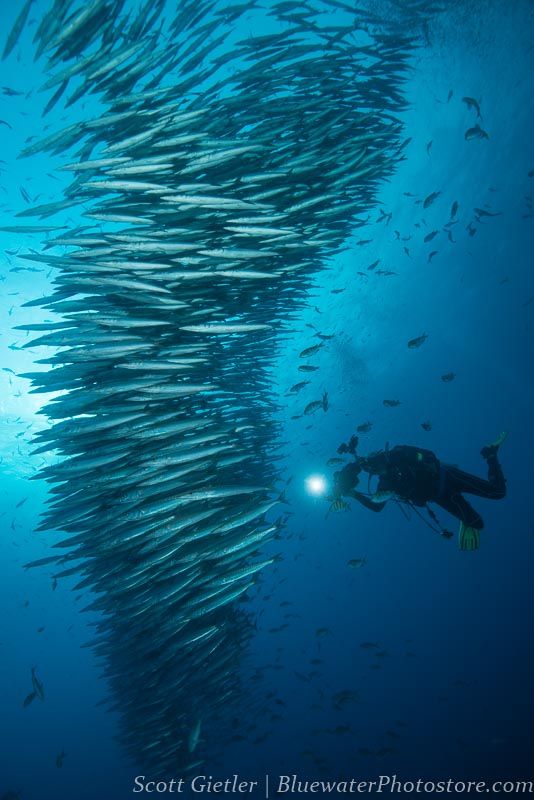
The abundance of marine life awaiting you in the Galapagos Islands is thrilling, but with it comes some challenging conditions. Expect strong currents, thermoclines, and up- or down-wellings - conditions best suited to experienced divers. Most boats have a minimum certification and experience level for divers joining Galapagos trips, so always check these requirements before you sign up. You'll get the most enjoyment out of diving the Galapagos if you are comfortable in the conditions, so if you're not sure if you have the appropriate experience, ask our travel advisors!


For more information, read our trip recap "Galapagos: Where Bubbles don't Always go up".
2. Pack Medical Supplies
Bring something to prevent motion sickness, such as medication or wrist bands, whether you are prone to seasickness or not - long crossings over rough seas can challenge even the strongest stomachs. Pack a medical kit stocked with first aid essentials and any medications you may need. Access to medical care is nonexistent when you're out in the far reaches of the Galapagos, so you need to be prepared as best as possible.

3. Bring The Right Dive Gear
Ensure your dive equipment is suitable for the conditions in the Galapagos, including fins that enable you to handle the strong current. We love the popular Mares Avanti Quattro + with their Channel Thrust technology. Talk to our dive equipment specialists to determine the best options for your dive travel needs. Safety gear is also critical, so make sure you pack a surface marker buoy and consider a Nautilus LifeLine Marine Rescue GPS. Our team at Bluewater Photo can advise you on the best underwater photography setups for the variety of marine life and dive conditions.


4. Protect Your Fingers
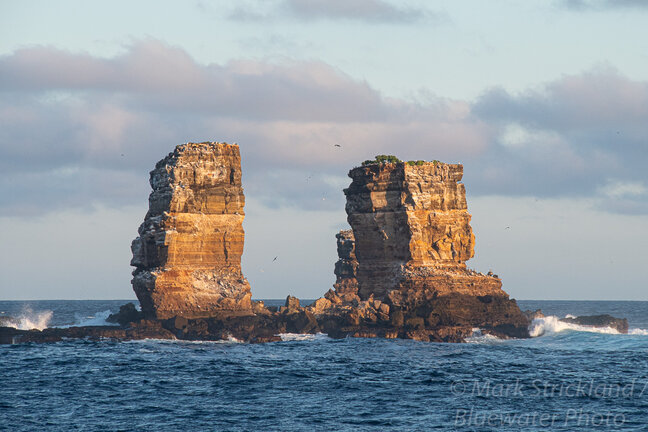
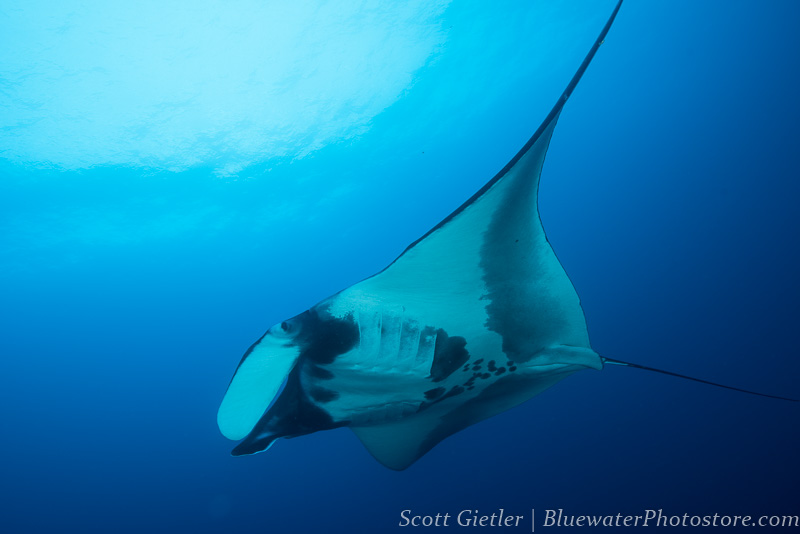
Some of the best diving in the Galapagos is around Wolf and Darwin Islands, where the strong currents attract schooling hammerheads, Galapagos sharks, and rays. The trick to diving here is to tuck yourself in behind a large boulder to shelter from the current while you observe the spectacular marine life in the blue. Bring strong gloves to protect your hands from the sharp, barnacle-covered rocks. We find a pair of cut-resistant work gloves from any hardware store to work great.


5. Layer Up Underwater
Galapagos sits on the equator and is surrounded by numerous oceanic currents. This causes extreme variations in water temperature between dive sites in various parts of the archipelago. Temperatures can range from 55F -78F (13C -26C), creating challenges regarding thermal protection. Our solution to this dilemma is to bring multiple layers and vary your thermal protection each day according to the advice of your dive guide. Choose bottom layers such as a Thermocline or Lavacore, a hooded vest, a separate hood, gloves (under your work gloves),and a shorty to wear under your primary wetsuit. Wearing the appropriate thermal protection enables you to enjoy the incredible diving in the Galapagos more comfortably.


6. Plan For Topside Excursions
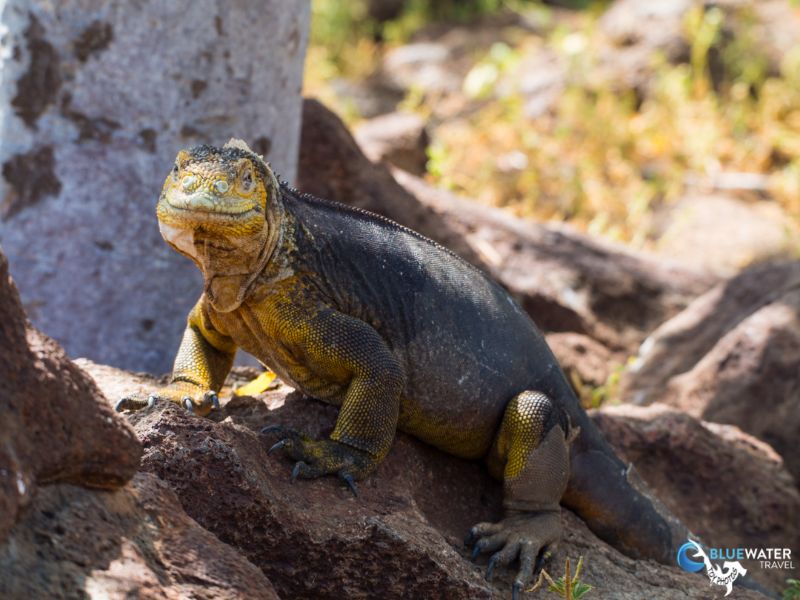
Think about the activities you'll be doing topside in addition to preparing for diving. The Galapagos topside excursions are as fascinating as the diving is thrilling, so if you have the time and budget, consider booking additional land excursions before or after your liveaboard trip. We recommend some essential items for the land portion of your Galapagos trip, including binoculars, a hat, sunscreen, and a reusable water bottle. To snorkel with sea lions, turtles, and maybe even penguins, pack your mask, snorkel, and fins, plus a light wetsuit for snorkeling near Fernandina. Capture the rare endemic wildlife with a telephoto lens, such as the Sony 600 or Nikon 180-600. Bonus tip: avoid crowding the giant tortoises and they will be more likely to come closer to you.


7. Collect And Re-check Your Baggage
All checked and carry-on baggage must be bio-scanned before you board the domestic flight to Galapagos. Collect your bags from the luggage belt when you arrive in Ecuador, have them scanned, and then re-check them for the Galapagos flight. While it is commonplace to check bags through to their final destination in many places, this is not true of travel to the Galapagos, so heed our advice even if the check-in clerk at your departure airport claims otherwise!


8. Allow Extra Time
We recommeend you give yourself a minimum of 3 hours in the airport in Quito or Guayaquil before your departure to the Galapagos. The extra security measures for your checked bags require additional time, so give yourself extra time to minimize risk and reduce stress during your travels.

9. Bring Cash
ATMs in the Galapagos are often either not working, or they run out of cash, so it's imperative that you bring sufficient USD when you fly to the Galapagos. You need to pay the $200 Galapagos National Park fee in cash before collecting your checked bags, so keep it close at hand upon arrival.

10. Understand The Ingala Transit Card
You must purchase an Ingala Transit Control Card (used to track visitors to the Galapagos Islands) before you check in for your domestic flight to Galapagos. Show your passport and domestic flight information to buy this $20 card, and make sure you keep the card safe during your trip - you need to show it upon departure.
11. Book With A Travel Agent
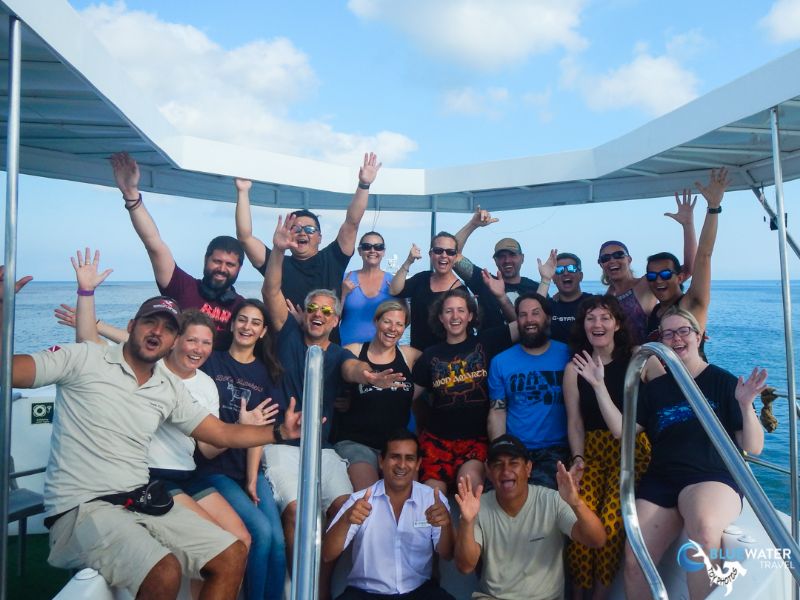
Our expert travel advisors have a wealth of experience planning and booking travel to the Galapagos Islands. Booking your trip with us adds a level of ease and security, especially when traveling to a challenging destination. We'll make sure you know what to expect and our team always available if any issues arise. You can also join one of our Travel with Bluewater group trips to the Galapagos with the support of one of our experienced trip leaders.

Learn more about what to expect: read our 2023 Galapagos Trip Recap.
We hope these tips and tricks will make your Galapagos trip a breeze!
to book your bucket list trip to the Galapagos or over 40 other dive destinations around the world.Buy Gear With Bluewater
Prepare to capture the memories of your Galapagos trip with Bluewater Photo's selection of cameras and underwater housings.
Did you know that you can buy scuba equipment from Bluewater? Browse our selection of regulators, BCDs, fins, dive computers, and more.


