Maldives Dive Resorts vs Liveaboards

July 2, 2025|Author: Chris H|Reading time: 10 mins

Thinking of diving the Maldives but not sure whether to stay at a luxury resort or book a liveaboard?

With its warm waters, vibrant coral reefs, and world-famous marine life — from manta rays to whale sharks — the Maldives offers some of the best diving on Earth. But how you experience it can vary hugely depending on your choice of accommodation. This guide compares Maldives dive resorts and liveaboards to help you decide which is best for your dive style, travel preferences, and budget.

Maldives Dive Resorts vs Liveaboards - image

Maldives Dive Resorts vs Liveaboards: Which Is Best for You?

Two reef manta rays (Manta birostris) glide over a coral garden in the Maldives. The Maldives is a world‐famous scuba destination, made up of 26 coral atolls and nearly 1,200 islands. Divers flock here for the diverse marine life – manta rays, whale sharks, reef and thresher sharks, colourful fish and hard corals – all visible in clear, warm water. In this paradise there are two main ways to dive: staying at an island dive resort or cruising on a dive liveaboard. Most Maldives resorts have full diving facilities, while liveaboards can sail you to multiple atolls. Each option has advantages and trade-offs. Scuba diving in the Maldives is known for its strong currents (great for drift diving) and an abundance of pelagics like mantas and whale sharks.



Resort-Based Diving: 

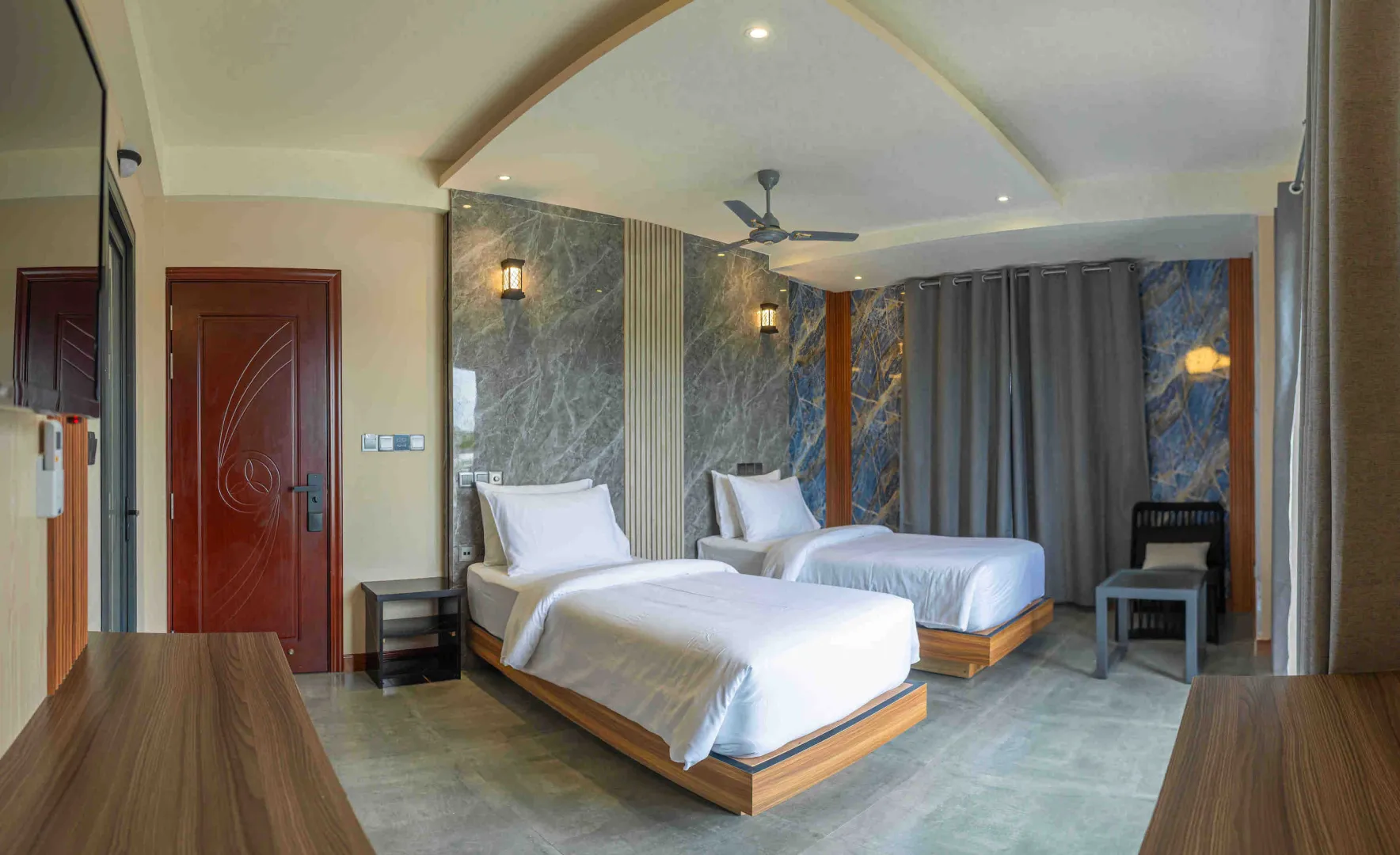
Staying at a dive resort (or on a local island) means you are based on one island and do day trips by boat. Resorts range from budget guesthouses to ultra-luxury private islands. You enjoy creature comforts: fixed rooms (often beach or over-water villas), all-inclusive dining or spas, and activities for non-divers. Many resorts have on-site dive centres and house reefs. You generally do 2-tank boat dives per day (plus optional night dives). Resort diving is very convenient – no need to move camp – and good for beginners or families. However, it tends to be expensive (especially luxury resorts and seaplane transfers) and limits you to nearby dive sites. For example, resorts in South Ari Atoll offer house-reef diving with year-round whale sharks and seasonal manta cleaning stations, but you won’t visit distant atolls without extra travel. As one dive traveler noted, “Maldives has great diving, but resorts are very expensive.”.

Liveaboard Diving: 

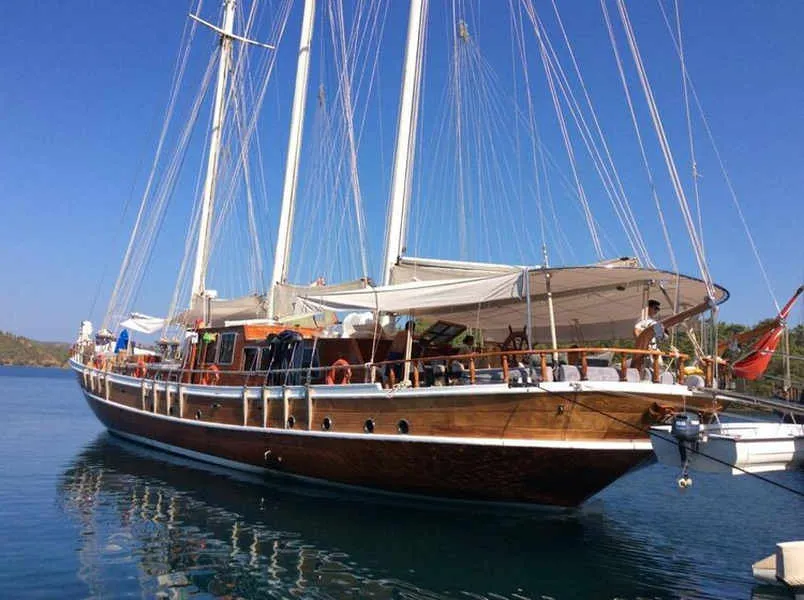
A liveaboard is a floating dive camp. You sleep on board and move each day to new sites. This lets you reach remote atolls (north, central and southern regions) that resort trips can’t. Most liveaboards schedule 3–4 dives per day (including night dives) and include all meals and gear. Rates often turn out cheaper per dive than equivalent resort packages. On a boat you see more variety: pelagics of all sorts. Bluewater notes Maldives liveaboards offer “crystal-clear waters, large pelagic encounters, and tranquil atolls”. Whale sharks, manta rays and schools of tuna or barracuda are common on liveaboard itineraries. Liveaboards can also be more social (big groups, communal dining). The downside is comfort and flexibility: cabins are smaller (though some luxury boats have bigger suites), and you have no escape to land for a day. Rough weather (especially June–August) can make living at sea uncomfortable, and in the worst months some boats suspend diving trips Liveaboards are geared to active divers: currents can be strong and depths deep, so most boats recommend divers be intermediate level or higher.

Key Differences: 

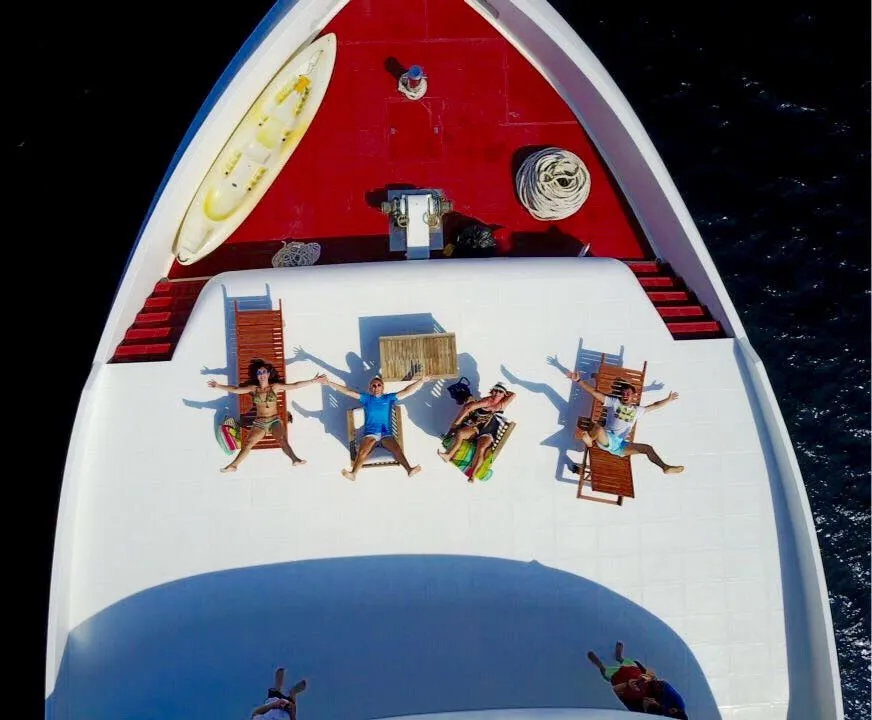
In short, resorts offer maximum comfort and a relaxed pace, while liveaboards pack in more dives and destinations. An on-island resort is ideal if you want convenience, luxury amenities, or are traveling with non-divers. A liveaboard is best if you want to maximise dive time and explore multiple atolls without daily transfers. Both styles showcase Maldives’ highlights – clear water, spectacular reefs and big fish. For example, shore dives and nearby wrecks are great on a resort, while a liveaboard can take you to Hanifaru Bay (manta feeding) or Fuvahmulah (tiger sharks) in one trip. Whatever you choose, expect the Maldives to be a diver’s paradise.

Maldives Dive Highlights: 

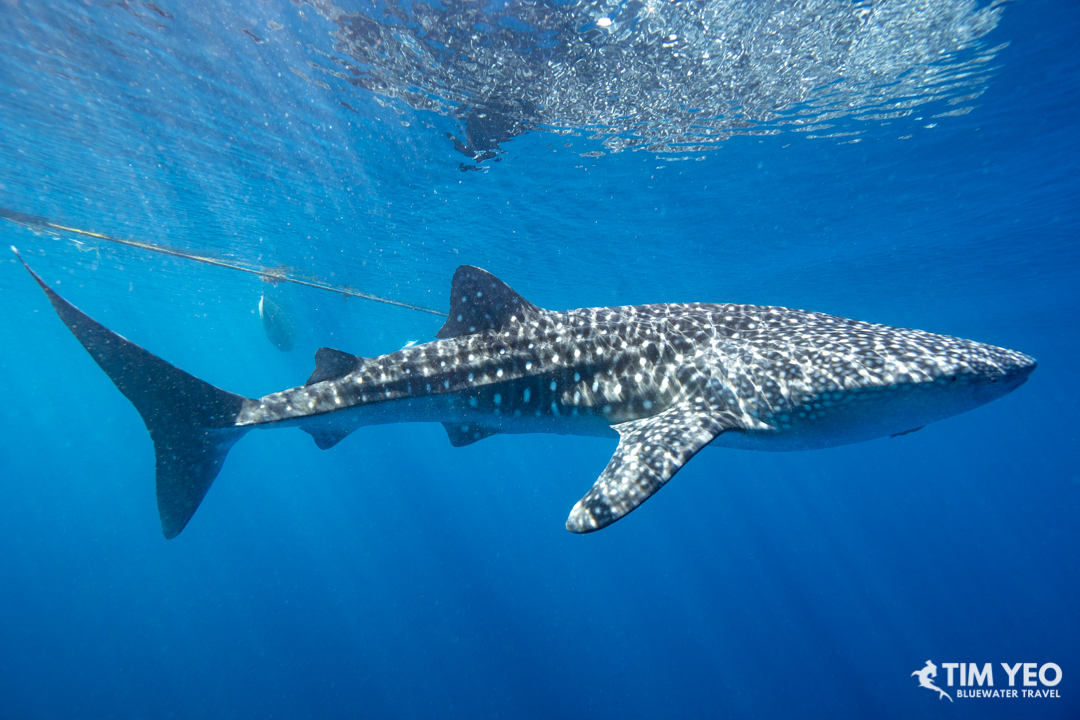
Currents and drift dives at spots like Fish Head (North Male) and Broken Rock (South Ari) are adrenaline-packed. You’ll see abundant reef sharks and eagle rays. Many atolls feature famous manta cleaning stations (Rasdhoo Madivaru, Baa Atoll’s Hanifaru) and frequent whale sharks (especially South Ari MPA). Wrecks – from WWI submarines to recent cargo ships – are also popular. In short, the Maldives delivers top-tier diving. Resorts or liveaboards simply offer two different ways to experience it: one is a static island retreat, the other an ocean safari.
Related Articles

Liveaboard Dive Packing List (2025 Edition)

Article

ChrisH

Liveaboard Dive Packing List (2025 Edition)

Indonesia

Planning a liveaboard dive trip? This ultimate 2025 packing list covers everything you’ll need – from must-have dive gear and personal items to handy extras that make life onboard smoother. Whether it’s your first time or you’re a seasoned diver, this checklist helps you dive in fully prepared.

Learn to Dive with Bluewater Travel

Article

JennyH

Learn to Dive with Bluewater Travel

Worldwide

Want to explore the world's oceans and discover the amazing life beneath the waves?

Using a Smartphone for Underwater Photography

Article

JennyH

Using a Smartphone for Underwater Photography

Worldwide

Over the past two decades, we have become accustomed to always having a camera on us in the form of a smartphone. So, it only makes sense that technology would develop to enable us to take these miniature supercomputers everywhere even underwater.

How to Travel to Puerto Galera from Manila Using Public Transport

Article

Jacqui

How to Travel to Puerto Galera from Manila Using Public Transport

Philippines

Domestic land and sea travel can be challenging and overwhelming, especially in a foreign country you aren't familiar with. It might seem scary to use public buses and ferries to reach your destination, and private transfers can be pricey. Tim took public transportation from Manila to Puerto Galera during a recent trip to the Philippines and documented the process to help you decide what transfer option is best for you.

Beginner’s Guide to Swimming with Whales & Whale Sharks

Article

Chris H

Beginner’s Guide to Swimming with Whales & Whale Sharks

Worldwide

Swimming with whales or whale sharks is a breathtaking, bucket-list experience—and yes, it's accessible even to beginners! This guide will prepare you with everything you need to know before jumping in.

Raja Ampat Dive Season Explained

Article

Chris H

Raja Ampat Dive Season Explained

Worldwide

When is the best time to dive Raja Ampat?
This Indonesian paradise offers world-class diving year-round, but conditions can vary depending on the season. From manta ray migrations to peak visibility and quiet off-season months, this guide breaks down what to expect month by month — so you can plan your perfect trip to Raja Ampat.

The World's Best Places to See Blue Whales

Article

Gill F

The World's Best Places to See Blue Whales

Mexico

There are only a few places in the world where you can spot blue whales, the largest mammals on the planet. Learn where and when to go for guaranteed blue whale sightings!

Best Places to Swim or Dive with Whale Sharks: Our Top 6

Article

Adam Lucia

Best Places to Swim or Dive with Whale Sharks: Our Top 6

Socorro Islands

Swimming with whale sharks is one of the ocean’s most remarkable experiences. These gentle giants—reaching up to 12 m in length—are filter feeders and pose no threat to snorkellers. Whether you’re seeking a classic liveaboard expedition or a day-trip snorkel, this guide helps you choose the right destination, season, and operator for a safe and awe-inspiring encounter.

Find your next adventure