
Raja Ampat Dive Season Explained: What to Expect Month by Month
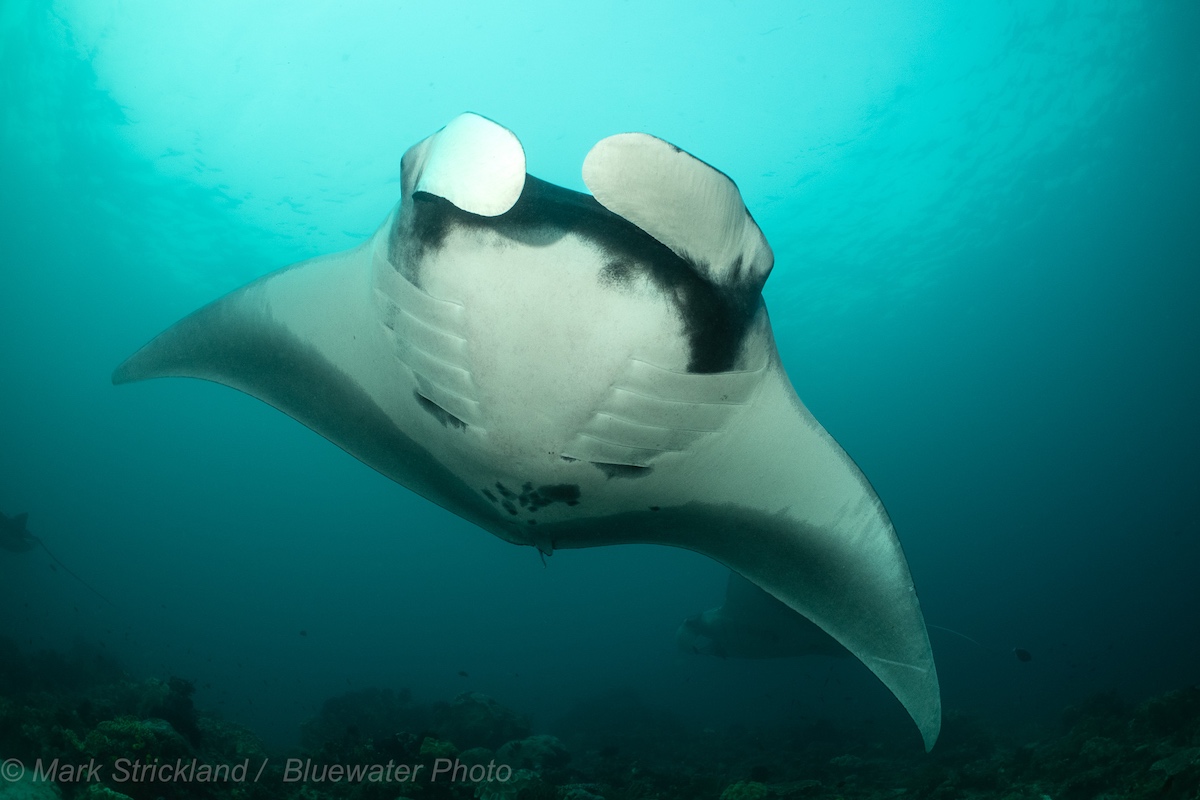
A giant oceanic manta (Manta birostris) filters plankton in the strong currents of Raja Ampat. Located in Indonesia’s remote West Papua, Raja Ampat is legendary for its unmatched marine biodiversity. Water temperatures stay warm year-round (mid-20s to low-30s °C), but weather and visibility vary by season. In general, the dry season (roughly October–April) brings the best diving conditions – calm seas, excellent visibility and prolific marine life. The wet season (May–September) has more rain and rougher seas, but diving is still possible (often with fewer divers around). Here’s a month-by-month breakdown of what you can expect:

January–February (Dry Season, Peak Season)
Expect near-perfect conditions. These months are usually calm and sunny, with average water around 28–30°C and visibility often 20–30 m. This is high season – resorts and liveaboards are busy – and it coincides with peak manta season. Large numbers of manta rays (both reef and oceanic species) gather at cleaning stations in Dampier Strait and Misool. You’ll likely see schooling fish and vibrant reef life everywhere.
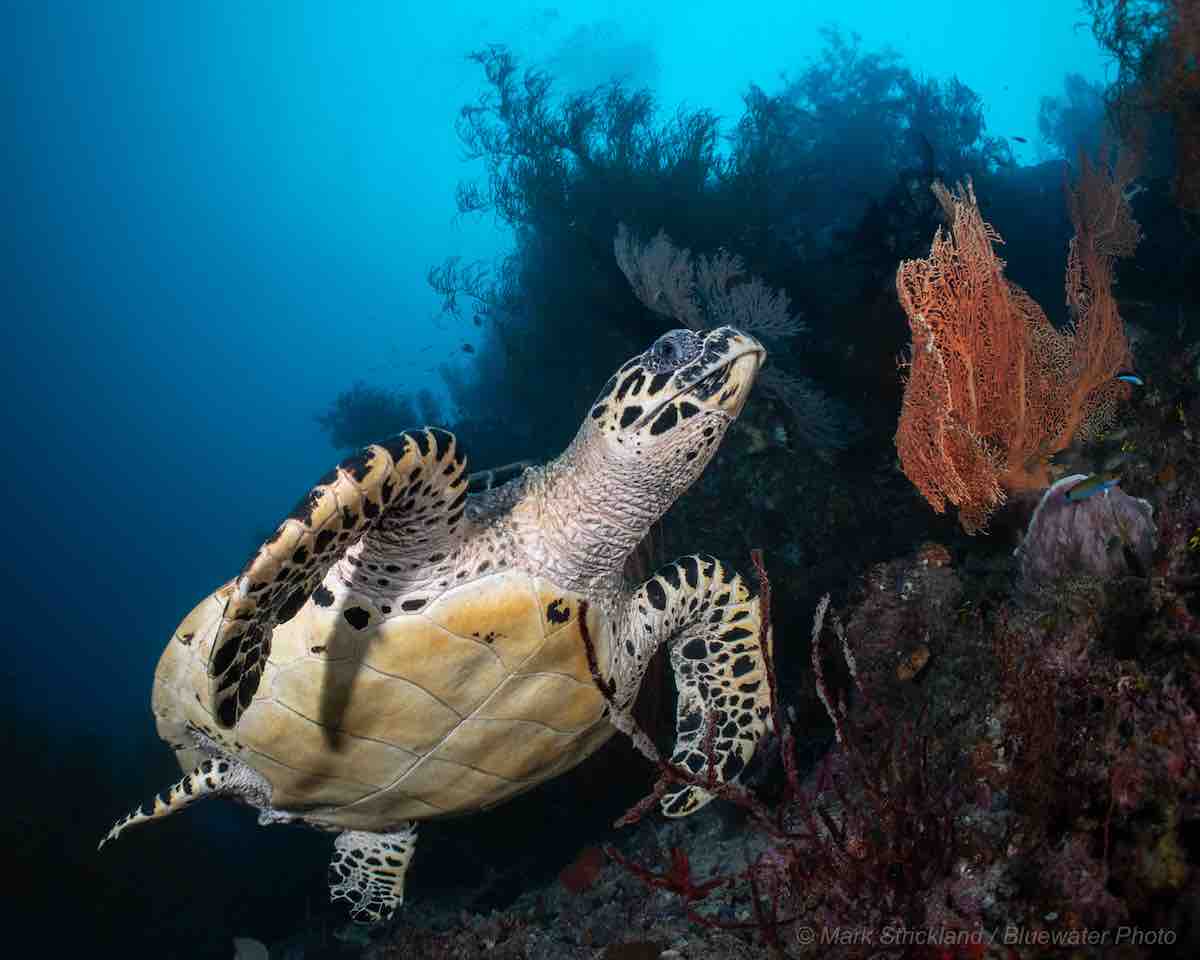
March–April (Dry Season)
Conditions remain excellent. Rainfall is still low and seas calm, so diving is easy. Visibilities are typically very high, and water remains warm (~28°C). This is the tail end of manta and whale shark season, with fewer crowds than Jan–Feb. These months often have the best overall visibility for underwater photography.
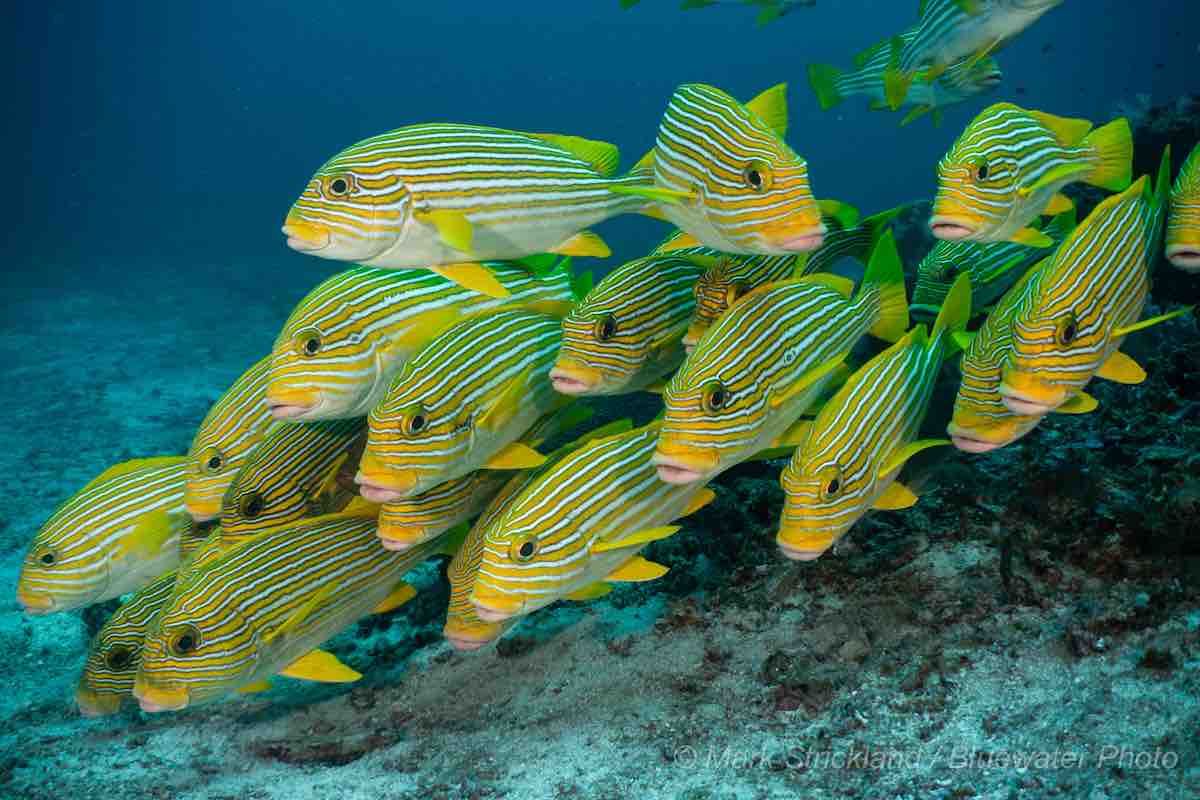
May–June (Transitional/Wet Season Begins)
The first rains of the year appear. You may still enjoy many sunny days, especially in May, but expect occasional heavy showers. Currents start to pick up and plankton blooms may slightly reduce visibility (often 15–25 m). Water temperature holds at 27–28°C. Marine life is still abundant – smaller animals and macro critters thrive – but diving can be unpredictable (be prepared for rough patches, especially later in June).
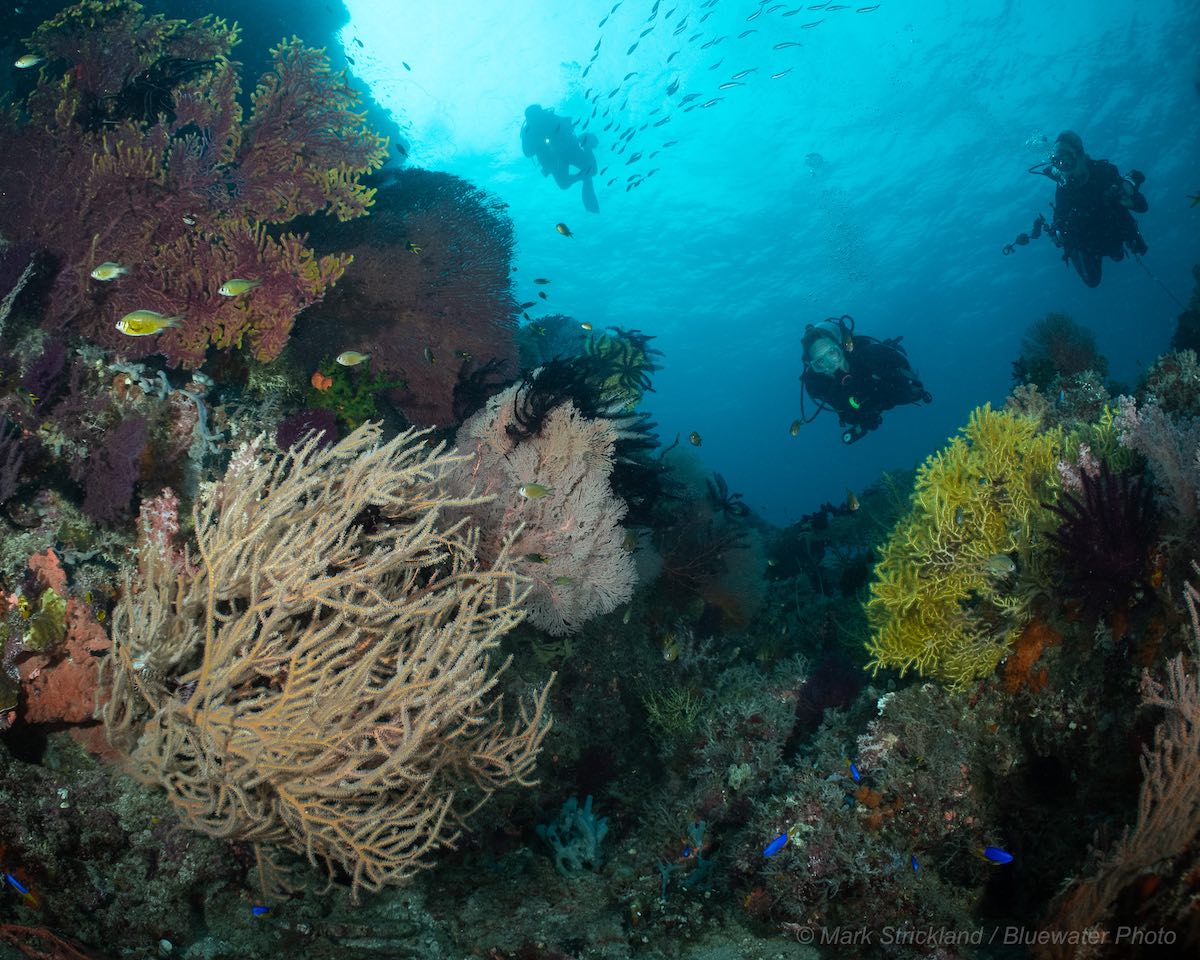
July–August (Wet Season Peak – Rough Weather)
These are Raja Ampat’s stormiest months. Persistent rains and strong southern winds can whip up high waves, particularly in Dampier Strait. Many liveaboards suspend operations in July–August, and even resorts may cancel dives on very windy days. Water visibility often drops (10–15 m or less) due to runoff and plankton. This season is best for adventurous divers who don’t mind short rains; the upside is much lower prices and empty reefs.
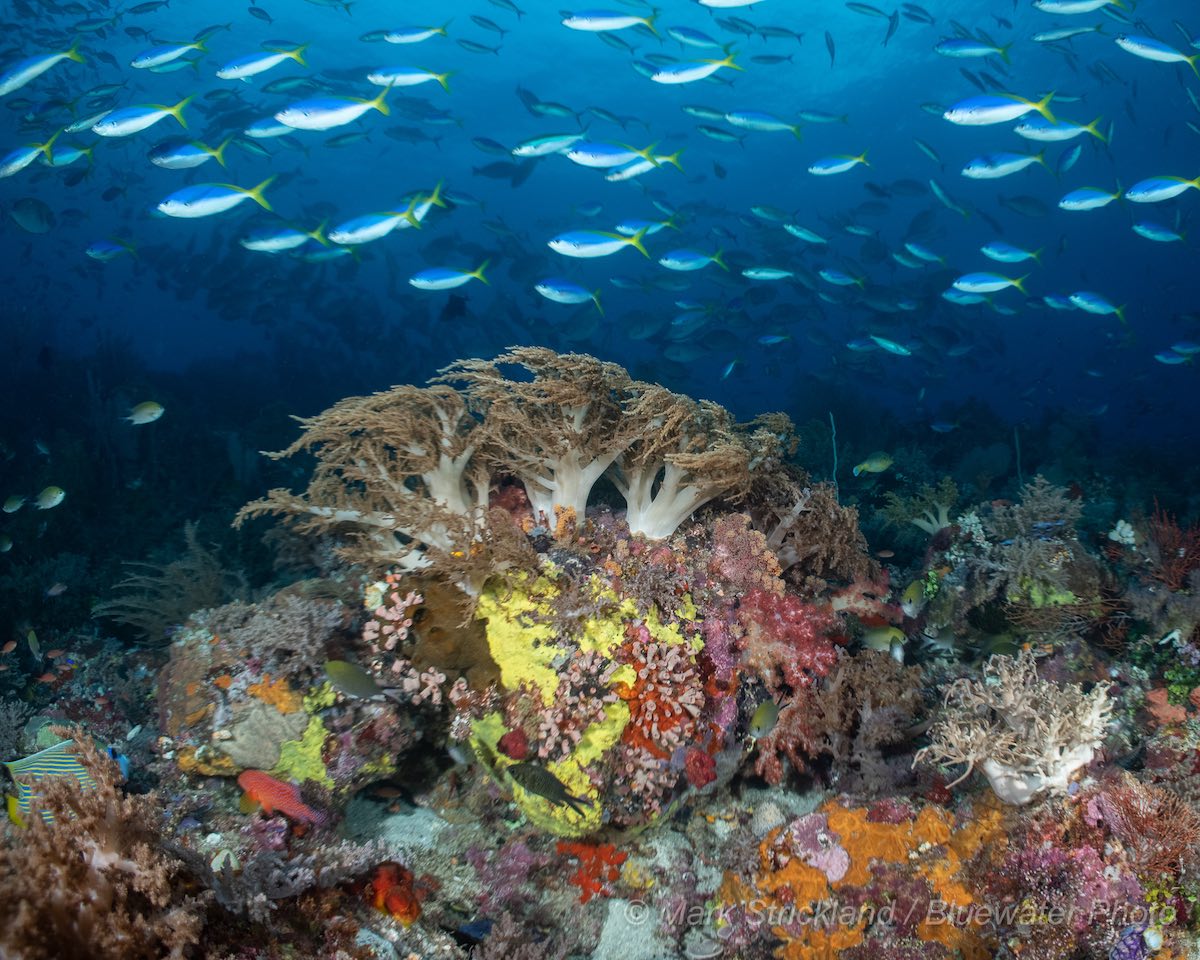
September (Late Wet Season)
Monsoon rains begin to ease by September. Conditions improve gradually: the seas calm, and vis slowly clears (10–20+ m). Occasional storms still occur, especially early in the month, but by the end of September dive sites are reopening. Fish life remains rich (some pelagics like jacks and tuna start to school), but sightings of mantas are much less frequent compared to winter.
October (Transition to Dry Season)
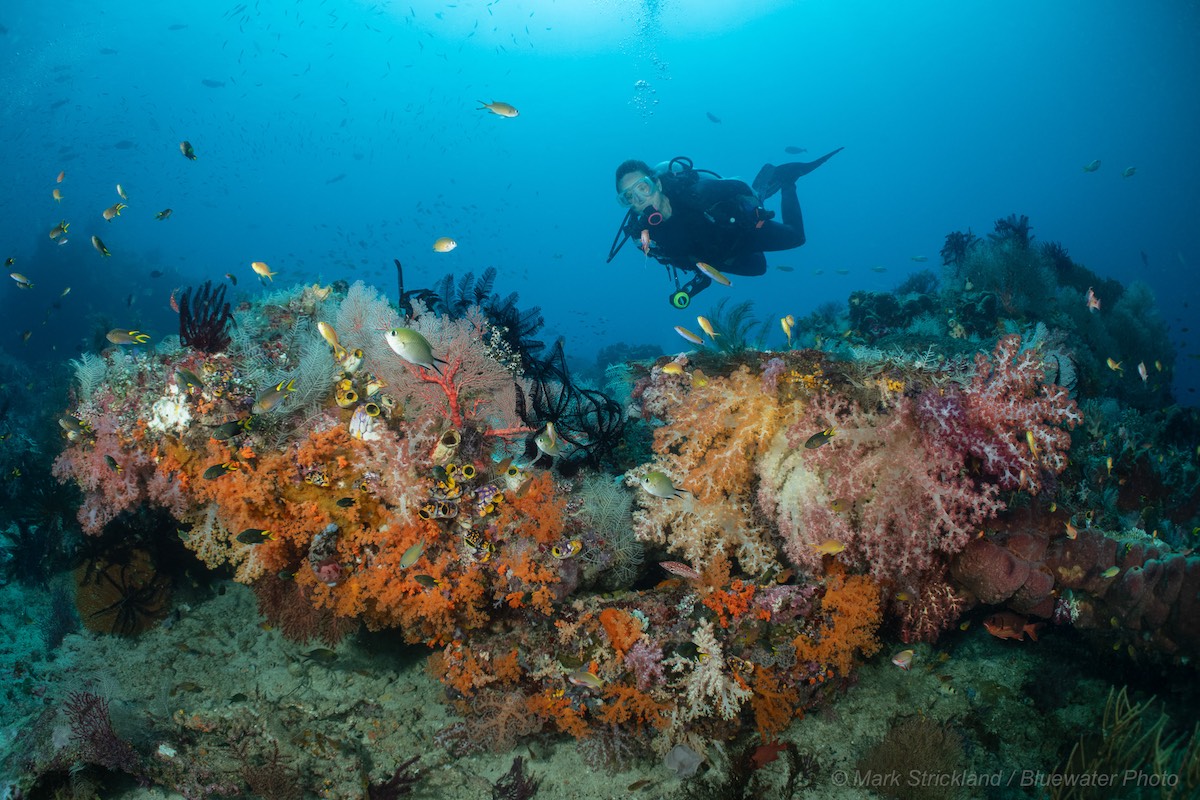
The northwest winds return, and weather stabilises. Diving becomes very good again, with calmer seas and improving visibility. Manta rays begin to reappear at cleaning stations in October. Many divers choose October as a shoulder season to avoid crowds. Water temperature starts to rise back toward 28–30°C.
November–December (Dry Season Resumes – Pre-Peak)
Visibility is high and currents are moderate. Manta rays are present in increasing numbers, particularly around Raja Ampat’s famous “Manta Sandy” sites. Some whale sharks may also appear. These months see steadily improving weather: November still has occasional rain showers, but December is usually almost as calm as mid-winter. December may start to get busy with holiday travel, but conditions are excellent for both macro and big-nature dives.
In summary
Raja Ampat can be dived year-round, but the optimum period is October–April. During this dry season, underwater visibility often exceeds 30 m and sea life is at its fullest. Remember that this is also the busiest season. The wet season (May–September) brings more rain and choppier water, but warm water, fewer divers, and still very healthy reefs. No matter the month, Raja Ampat’s coral gardens, exotic species (like walking sharks and pygmy seahorses) and friendly local communities make it an epic dive destination any time of year


